Housing Affordability Crisis: The Silent Urgency for Retirees in Rhode Island
- Orisun Institute Scholar

- May 14
- 4 min read
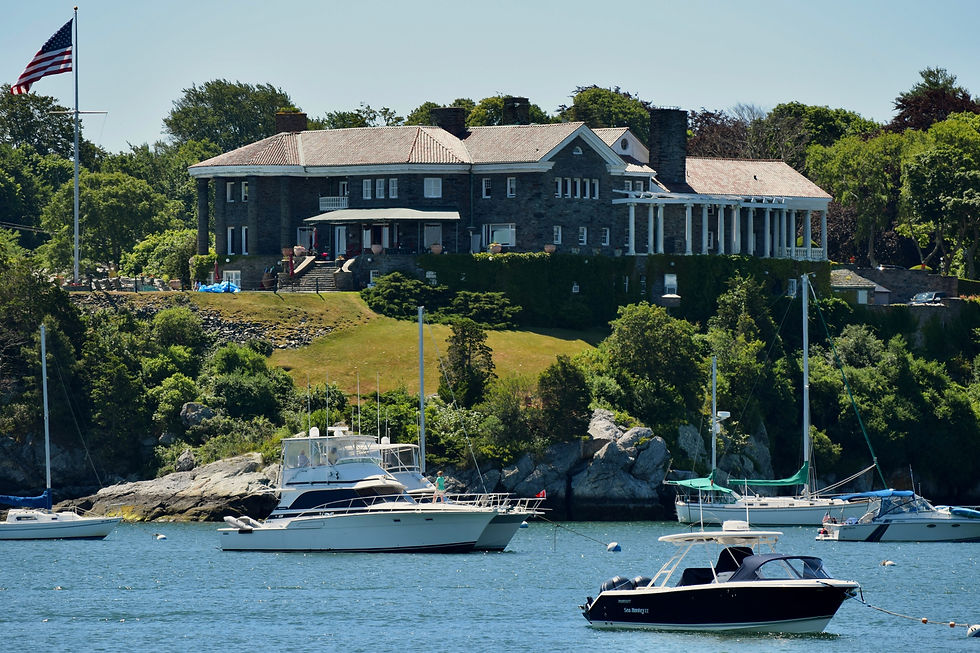
Retirees in Rhode Island face a growing financial challenge that goes beyond health care. The rising cost of housing and living expenses is creating a serious gap for many seniors who depend on fixed incomes. This gap threatens their ability to stay in their homes and communities. Understanding this crisis is key to finding practical solutions that can help retirees live with dignity and security.
The Financial Gap Facing Retirees
Many retirees rely mainly on Social Security for income. In Rhode Island, this is not enough to cover basic living costs. On average, retirees depending solely on Social Security face an annual shortfall of over $4,000. Housing costs take a large share of their income, with taxes, utilities, and insurance consuming about 37% of the average Social Security check.
This means that after paying for housing, there is little left for food, transportation, and other essentials. The gap grows wider as property taxes and utility bills continue to rise. Insurance costs, including homeowners and renters insurance, also add to the financial strain.
Housing Cost Burden Among Seniors
The burden of housing costs affects both renters and homeowners. More than half of older renters (52%) spend 30% or more of their income on housing. For homeowners, 32% face the same burden. Spending this much on housing is considered a housing cost burden and often leads to difficult choices about other expenses.
For example, a senior renting an apartment in Providence might pay $1,200 a month, which could be over half of their monthly income if they rely on Social Security alone. Homeowners face similar challenges with mortgage payments, property taxes, and upkeep costs.
The Lock-In Effect Keeps Seniors Stuck
Many seniors want to downsize to reduce their housing costs. However, selling a home in Rhode Island can be expensive due to capital gains taxes and conveyance fees. These costs make it financially unviable for many to sell their homes. As a result, they remain "locked in" to homes they can no longer afford to maintain.
This lock-in effect also reduces the availability of homes for younger families and other buyers, worsening the housing shortage. Seniors stuck in large, costly homes face increased financial pressure and risk of losing their homes if they cannot keep up with expenses.
Rhode Island’s High Cost of Living
Rhode Island has a higher cost of living than the national average. This affects everything from groceries to transportation. For retirees on fixed incomes, even small increases in everyday expenses can add up quickly.
Utility costs, including electricity and heating, have been rising steadily. These increases hit seniors hard, especially during winter months when heating bills spike. Insurance premiums for homes and renters have also climbed, adding to the overall cost burden.
Shortage of Affordable Rental Units for Seniors
There is a severe shortage of affordable rental housing for low-income seniors in Rhode Island. For every 100 extremely low-income senior households, only 54 affordable rental units are available. This shortage forces many seniors to spend more than they can afford or live in substandard conditions.
Affordable housing options are critical for seniors who cannot maintain a home or do not want to own property. Without enough affordable rentals, many face housing insecurity or homelessness.
What Can Be Done to Help Retirees
Addressing this crisis requires urgent and practical solutions. Several proposals and initiatives are underway in Rhode Island to ease the financial strain on retirees.
Tax Relief Measures
One proposal is to eliminate the state income tax on Social Security benefits. This change would increase the net income of many retirees, helping to close the financial gap. Property tax relief is also a key focus, with efforts to reduce the burden on seniors who own homes.
The Senior Agenda Coalition’s 7-Point Plan
The Senior Agenda Coalition of Rhode Island has put forward a 7-point agenda aimed at improving housing affordability and financial security for seniors. This includes:
Property tax relief programs
Updated asset limits for eligibility in assistance programs
Support for affordable housing development
Enhanced utility assistance programs
Improved access to legal and financial counseling
Expansion of rental assistance
Increased funding for home repair and maintenance programs
These steps aim to provide a comprehensive approach to the housing crisis.
State Rental Tax Credit
The state is considering a rental tax credit to help low-income renters. This credit would reduce the effective rent paid by seniors struggling to afford housing. It could make a significant difference for those on fixed incomes.
What Retirees Can Do Now
While policy changes take time, retirees can take some steps to manage their housing costs:
Explore local assistance programs: Many cities and towns offer property tax relief or utility assistance for seniors.
Seek financial counseling: Nonprofits and community organizations provide free advice on managing budgets and debts.
Consider downsizing carefully: If selling a home is possible, work with a financial advisor to understand tax implications and fees.
Look for affordable rental options: Contact local housing authorities or senior centers for information on affordable units.
Stay informed about new programs: Follow state and local government announcements about housing and tax relief initiatives.
The Bigger Picture
Rhode Island is known for its quality health care, but the financial strain of everyday living is the main concern for many retirees. Without affordable housing and cost-of-living relief, seniors may be forced to leave the state or face hardship.
This crisis affects not only individuals but also communities. When seniors struggle to afford housing, it impacts local economies, social services, and neighborhood stability.
Moving Forward
The housing affordability crisis for retirees in Rhode Island is urgent and complex. It requires cooperation between government, community groups, and individuals. By supporting tax relief, expanding affordable housing, and providing targeted assistance, Rhode Island can help its seniors live securely and comfortably.
Retirees and their families should stay engaged with local resources and advocate for policies that address these challenges. Understanding the problem is the first step toward meaningful change.
This post is for educational purposes only and does not provide financial advice. For personal financial decisions, consult a qualified professional.


Comments